HVAC Troubleshooting: How to Determine and Resolve Usual Problems in Your A/c System
Heating and cooling troubleshooting plays a crucial role in maintaining cooling systems. Identifying typical issues can substantially boost system performance and convenience. Indicators such as inadequate cooling, odd sounds, or undesirable odors usually indicate underlying troubles. Routine maintenance is essential, but some issues may require specialist treatment. Comprehending these factors can help homeowners make educated choices about their cooling and heating systems, yet numerous continue to be uncertain about the very best steps to take when faced with these difficulties.
Recognizing Inadequate Cooling
It can typically lead to frustration and pain when property owners experience poor air conditioning from their Heating and cooling systems. This concern might emerge from a number of elements, consisting of filthy air filters, which limit air movement and impede performance. Additionally, cooling agent leakages can protect against the system from soaking up heat effectively, resulting in insufficient cooling. One more common reason is the incorrect sizing of the device; an ac unit that is too little for the space will certainly struggle to preserve preferred temperatures. Blocked ductwork can obstruct air circulation, adding to unequal air conditioning throughout the home. Home owners might likewise neglect the value of routine maintenance, which is essential for peak functionality. By determining these prospective issues, individuals can take aggressive measures to guarantee their a/c systems run efficiently and supply the needed convenience throughout warmer months. Understanding these elements is substantial for preserving a awesome and enjoyable indoor environment.
Diagnosing Weird Sounds From Your AC
Uncommon noises rising from an a/c unit can signify underlying problems that need interest. Typical noises consist of rattling, which may indicate loosened elements, or hissing, typically connected with cooling agent leakages. A grinding sound can recommend damaged bearings, while a shrill screech might indicate a malfunctioning electric motor or belt.
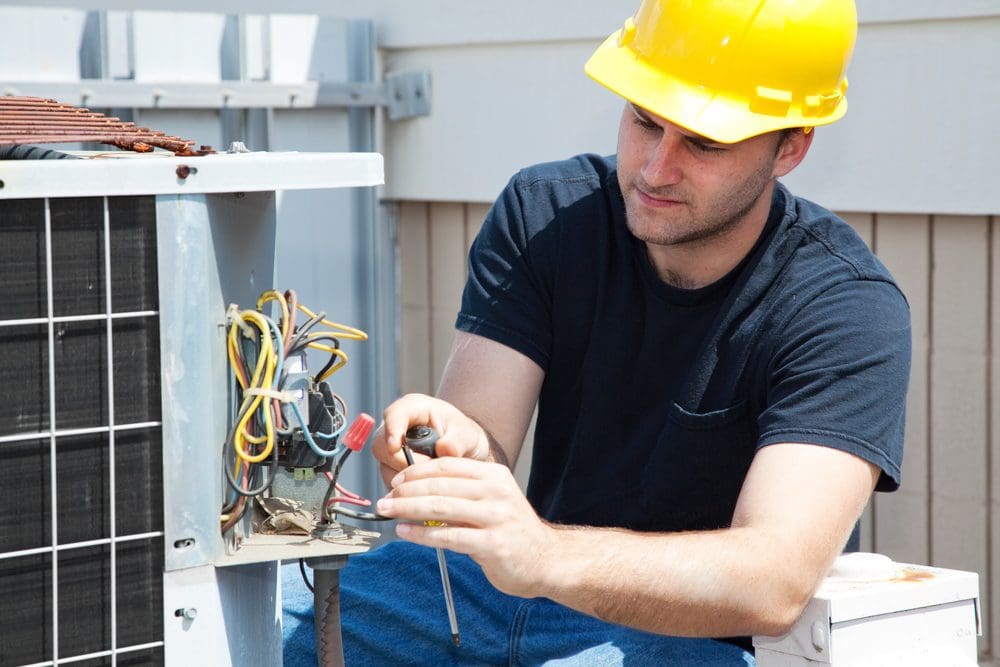
Homeowners should not ignore these acoustic hints, as they can lead to more substantial damage if left unaddressed. Routine upkeep, including assessments and cleansing, can aid mitigate these problems. Identifying the source of unusual noises early on is crucial for maintaining peak a/c performance and prolonging the life-span of the unit.
Identifying Unpleasant Odors
Recognizing unpleasant odors in heating and cooling systems is essential for preserving indoor air high quality. These odors can stem from numerous resources, consisting of mold growth or stationary water, and may suggest prospective issues within the system. Applying preventative upkeep pointers can aid reduce these odors and boost general system efficiency.
Source of Odors
Unpleasant odors emanating from a HVAC system can signify various underlying concerns that require interest. A stuffy smell usually shows mold or mold development within the ductwork or on the evaporator coils, usually due to excess dampness. On the other hand, a burning smell may suggest electric problems or overheating elements, demanding instant professional assessment. A solid, poignant scent looking like rotten eggs might show a gas leak, which poses significant security risks. Furthermore, a wonderful smell may suggest refrigerant leaks, which can hurt both the setting and the system. Determining these odors beforehand is essential for preserving both the performance of the cooling and heating system and the security of the home setting.
Preventive Upkeep Tips
Normal preventive upkeep can substantially lower the danger of unpleasant smells in heating and cooling systems. Regular inspections of air filters are essential, as stopped up filters can trap dust, mold, and microorganisms, releasing foul smells. Cleaning up or changing filters every 1-3 months can significantly enhance air top quality. Cleaning the evaporator and examining and condenser coils guarantees efficient procedure and stops odor build-up. It is also important to evaluate drainage pans and lines for blockages or leakages, as stagnant water can cause mold and mildew development. Additionally, verifying appropriate air flow and air flow aids maintain the system fresh. Consistently organizing specialist upkeep enables professionals to determine and resolve potential problems prior to they escalate, maintaining a healthy and balanced interior setting without undesirable smells.
Troubleshooting Thermostat Issues
When a thermostat breakdowns, the comfort of a home can rapidly lessen, triggering the demand for efficient troubleshooting. The very first step entails checking the power supply; ensuring that the thermostat is getting electrical power is essential. A stumbled breaker or blown fuse may be the offender. Next off, one additional info must examine the thermostat setups. Incorrect settings or a malfunctioning program can result in inconsistent temperatures.
It is likewise crucial to inspect the thermostat itself for dirt or debris, as these can prevent its performance. Calibration concerns may arise also; a from this source miscalibrated thermostat can create unreliable temperature readings. In such instances, changing the tool or altering may be needed. Confirming compatibility with the HVAC system can stop continuous issues. Attending to these common thermostat issues can bring back comfort and performance to any type of home.
Evaluating Cooling Agent Degrees
Keeping proper cooling agent levels is important for the efficient procedure of any type of cooling and heating system - Air Conditioning Repair Tampa. Refrigerant plays a considerable function in heat exchange, enabling the a/c device to cool indoor areas successfully. When degrees are too low, the system can battle to cool, resulting in enhanced power consumption and prospective damages
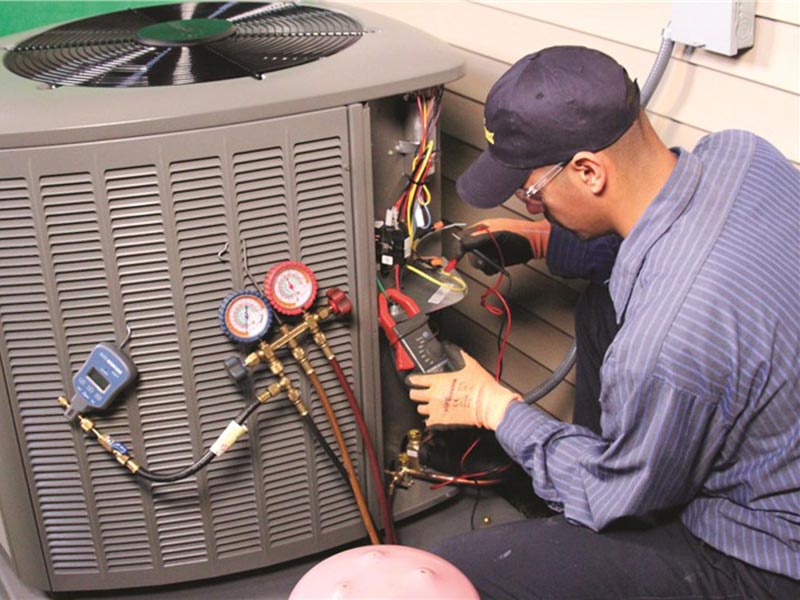
To inspect refrigerant degrees, one have to first situate the service ports on the device. Making use of a pressure gauge, the professional can examine if the refrigerant pressure falls within the producer's specified range. If readings indicate low refrigerant levels, it may aim to leaks or inadequate charging throughout servicing.
In such situations, it's advisable to consult a licensed heating and cooling service technician for troubleshooting and fixings. They can identify leak sources and ensure the system is reenergized correctly, promoting long life and performance. Normal refrigerant degree checks contribute to peak a/c efficiency and help avoid pricey breakdowns.
Monitoring Air Filters and Ducts
In heating and cooling troubleshooting, inspecting air filters and ducts is important for preserving system efficiency. Checking the condition of air filters warranties appropriate airflow and indoor air quality, while reviewing ductwork integrity identifies prospective leaks or blockages. Together, these actions add to the general efficiency and durability of the heating and cooling system.
Inspecting Air Filter Condition
Air filters play a necessary role in the effectiveness and functionality of cooling and heating systems. They trap dust, pollen, and other airborne bits, stopping them from entering the system and the indoor atmosphere. Gradually, filters can become clogged, leading to minimized air flow and increased strain on the system. Routine assessment of air filter problem is important for maintaining peak efficiency. Homeowners ought to inspect filters monthly, changing or cleansing them as required, generally every 1 to 3 months. A noticeably filthy filter suggests a requirement for instant focus. In addition, making certain that the proper kind of filter is utilized boosts performance. By focusing on air filter upkeep, home owners can improve interior air quality and extend the lifespan of their a/c system.
Evaluating Ductwork Integrity
When to Call an Expert Service Technician
When should home owners take into consideration reaching out to an expert service technician for heating and cooling concerns? There are a number of signs that recommend specialist treatment is essential. If a homeowner notices irregular home heating or air conditioning, strange noises, or undesirable smells emanating from the device, these might indicate underlying issues requiring experienced diagnosis. In addition, if the air conditioning system regularly cycles on and off or stops working to keep the preferred temperature, it might be time to speak with a specialist.
Any kind of considerable rise in energy expenses without a matching modification in use can suggest inadequacies that a professional can deal with. House owners should likewise look for help if they encounter refrigerant leaks, which can be unsafe and require specific knowledge to solve. Inevitably, attempting repair work without appropriate training can bring about more damages or safety and security threats, enhancing the importance of calling a qualified specialist when cooling and heating concerns emerge.
Regularly Asked Inquiries
Just how Frequently Should I Schedule Regular Maintenance for My A/c Unit?
The regularity of routine maintenance for an air conditioning unit is typically advised two times a year. This guarantees optimal efficiency, expands the device's life expectancy, and helps avoid prospective issues from developing during top usage periods.
Can I Fix My A/c Unit Myself, or Should I Always Hire a Specialist?
The specific considered whether to repair their cooling device personally or hire an expert. Air Conditioning Repair Tampa. While small problems may be workable, complex troubles generally call for an expert's knowledge to assure security and efficiency in repair services
What Is the Ordinary Life Expectancy of a Cooling Device?
The average lifespan of an air conditioning device usually ranges from 15 to 20 years. Elements affecting longevity include upkeep, usage, and ecological problems, which can considerably impact efficiency and performance throughout its operational life.
How Do I Know if My Air Conditioning Unit Is Energy-Efficient?
To figure out a cooling device's energy efficiency, one need to examine its SEER rating, compare it to sector standards, examine power expenses for trends, and consider the device's age and maintenance background for efficiency understandings.
Are There Any Type Of DIY Solutions for Common Air Conditioning Troubles?
Numerous individuals check out DIY solutions for typical air conditioning problems. Simple tasks like cleansing filters, inspecting thermostat settings, and examining drain lines can enhance efficiency and address small problems without expert intervention, promoting affordable upkeep.
Determining undesirable smells in Cooling and heating systems is important for maintaining indoor air top quality. In Cooling and heating troubleshooting, inspecting air filters and air ducts is crucial for preserving system effectiveness. Examining the problem of air filters assurances appropriate airflow and indoor air high quality, while assessing ductwork honesty identifies possible leakages or obstructions. Air filters play a vital role in the efficiency and functionality of HVAC systems. Routine inspection of air duct systems is essential to determine leaks, clogs, or damages that can hamper air distribution.